
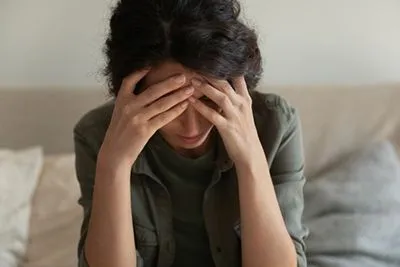
Depression and anxiety are common mood disorders that frequently co-occur. According to Lisa Westmoreland of Westmoreland Counseling Services in Roanoke, VA, depression and anxiety can also develop separately. They may have a significant impact on a person's thoughts and feelings and, eventually, negatively affect overall physical well-being.
Defining Depression
Depression refers to a mood or mental health condition marked by chronic feelings of sadness and a noticeable reduction in activities once deemed enjoyable. Among other things, depression might begin with one or more of the following causes:
- A distressing loss or the consequences of a life loss
- Certain genetic traits
- A traumatic illness
- Biological fluctuations (e.g., menopause, pregnancy, miscarriage)
- Substance abuse
It’s common for multiple factors to come together, creating a downward spiral that leads to depression. Fortunately, effective treatment options are available at Westmoreland Counseling Services in Roanoke, VA.
Defining Anxiety
Anxiety refers to an individual’s natural physical and emotional response (or coping mechanism) to perceived threats—whether the danger is very real or imaginary.
Anxiety, when manifested appropriately, is a normal reaction that can serve a potentially beneficial purpose when someone faces genuine danger. It becomes a problem when anxiety manifests without any real threats, or the response persists after danger is no longer present.
Anxiety can take on many different forms, such as:
- Generalized Anxiety Disorder involves overpowering worry/stress about everyday life.
- Social Anxiety Disorder makes it challenging to engage in various social interactions because of ongoing anxiety regarding potential embarrassment/humiliation or the fear of being judged by others.
- Phobias, which manifest in various forms, represent intense or overwhelming fear of specific objects and situations. Among other things, a person may fear heights, flying, crowds, or spiders.
- Obsessive-Compulsive Disorder is often marked by behaviors designed to manage persistent, unwanted thoughts that make a person feel anxious. OCD may involve chronic mental routines that can lead to repetitive, hard-to-control actions.
- Panic Disorder occurs in people who experience intense reactions (e.g., sweating, racing heart) when facing overwhelming fear or discomfort.
- Post-Traumatic Stress Disorder refers to an overpowering response to a distressing event with long-term effects. PTSD can cause flashbacks, nightmares, overwhelming anxiety, and other symptoms.
Depression and Anxiety Relief
Therapeutic interventions, such as cognitive behavioral therapy, trauma-informed therapy, and insight-oriented dialectical behavior therapy, can be combined with stress-management techniques and lifestyle modifications to help clients handle symptoms more effectively.
Treating Depression and Anxiety in Roanoke, VA
Anxiety and depressive disorders are complex and can be influenced by genetic, biological, environmental, or psychological factors. For more information about our in-office and online telehealth services, contact Lisa Westmoreland or a staff member of Westmoreland Counseling Services at 540-709-7530 or online.